Rongai Route

📅
6-7 DaysDuration
🏔
5,895 mSummit Height
💰
$2,300From / Person
80%Summit Success
📏
ModerateDifficulty
Rongai Route
The Northern Approach

Rongai Route Overview

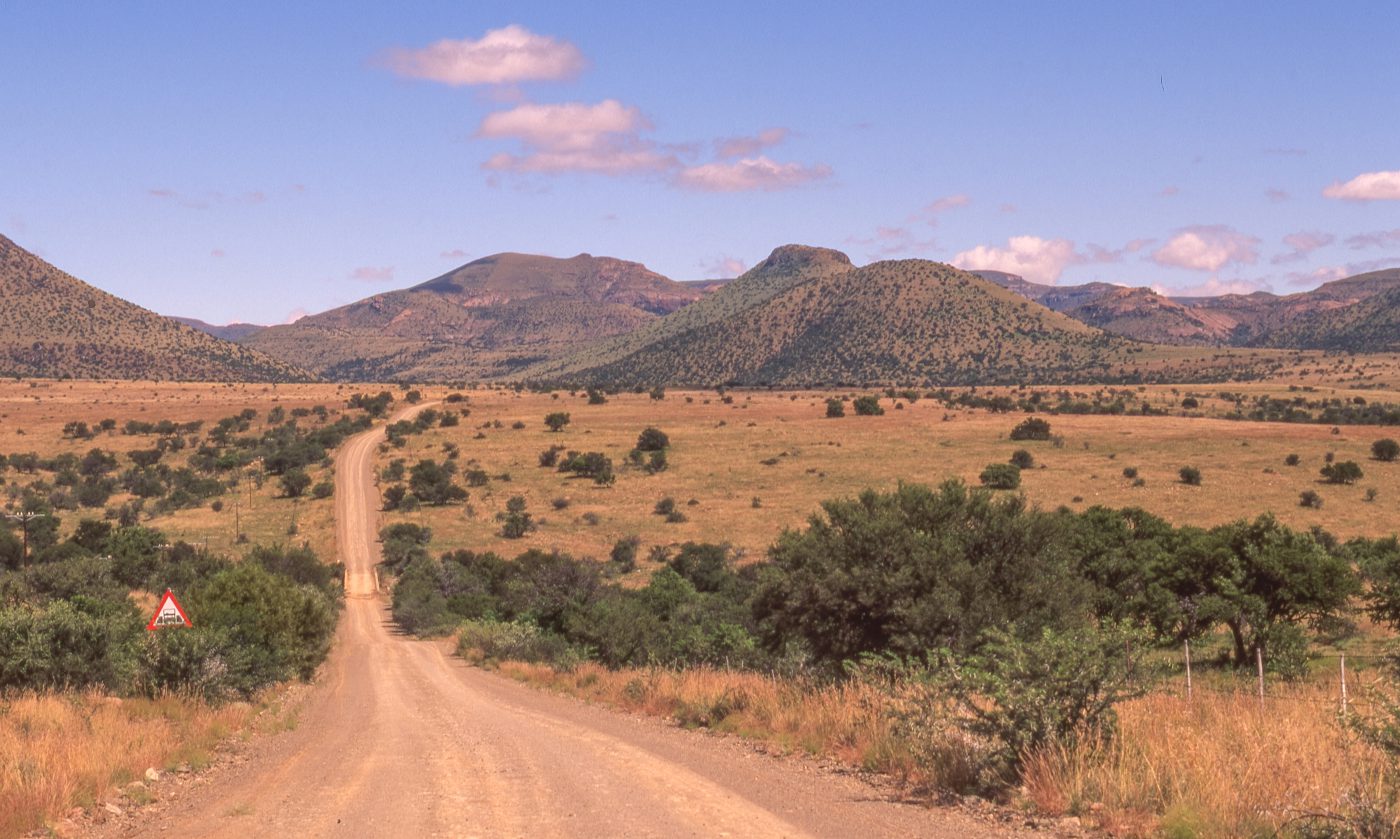
This remote and less frequently used route is the second easiest route to Kilimanjaro. The approach to the mountain is from the less-forested north side and the descent is by the Marangu Route. The Rongai Route begins near the Kenyan border at Rongai Gate, passing through farmland and forest before entering the moorland and alpine zones on the northern slopes. The northern side of Kilimanjaro receives significantly less rainfall, making this an excellent option during the rainy seasons. Accommodation uses tents throughout. You will need a sleeping bag, warm clothes and walking poles. This is a steep, tough trek within the limits of a fit individual used to walking in mountain areas.
📅
6-7 DaysDuration
🏔
5,895mMax Altitude
💰
$2,300Per Person
80%Success Rate
Get a Free Quote
Why Choose

Rongai Route Highlights

Kenya Border Start

Begin at the Kenyan border — the only Kilimanjaro route to approach from the north.

Drier Conditions

The northern slopes receive far less rainfall, ideal for trekking during the shoulder seasons.

Less Crowded

The Rongai is one of the quietest routes — ideal for those seeking solitude and wilderness.

Unique Perspectives

See Kilimanjaro from the rarely-visited northern face, with stunning views across to Kenya.

Midnight Summit

Summit push via the Kibo crater rim, the same approach used by the Marangu Route.

Descent via Marangu

Descend on the well-maintained Marangu trail, experiencing both sides of the mountain.

Day by Day

Full Itinerary

Click each day to expand the full details of that stage of the climb.

Begin at the Rongai Gate near the Kenyan border. The initial trail passes through farmland before entering the forest and moorland zone. Arrive at Simba Camp with views back across the Kenyan plains.
Simba Camp (2,625m)
The landscape becomes increasingly dramatic as you enter the open moorland. Distinctive giant heathers and lobelias line the trail. Views of both Kilimanjaro and the Kenyan lowlands are spectacular.
Second Cave Camp (3,450m)
A shorter day to aid acclimatisation. The terrain shifts to a more barren, rocky landscape as you approach the alpine zone. Giant senecios and sparse vegetation make for dramatic photography.
Third Cave Camp (3,900m)
Ascend steeply into the alpine desert. The air thins noticeably. Arrive at high camp, eat well, hydrate thoroughly and rest. Your guide will brief you on the summit route. The summit attempt begins at midnight.
School Hut / High Camp (4,750m)
Midnight push up the steep scree. Gain the crater rim, pass Gillman's Point (5,685m) and reach Uhuru Peak (5,895m) at sunrise. A profound moment. Descend all the way to Horombo Huts on the Marangu trail for rest.
Horombo Huts (3,720m)
The final descent through the moorland and rainforest to Marangu Gate. Receive your summit certificate, celebrate with your crew, and transfer to your hotel in Moshi or Arusha for a well-earned rest.
Know Before You Go

Difficulty & Success Rate

Difficulty: Moderate

EasyModerateVery Difficult
  • Previous trekking experience recommended
  • Good physical fitness required
  • Acclimatisation schedule built into itinerary
  • Guides and porters provided throughout
80%
Summit
Success

The Rongai Route has one of the highest summit success rates on Kilimanjaro, thanks to its gradual acclimatisation profile.

What's Covered

Inclusions & Exclusions

  Included
  • All meals (full board) during the climb
  • Experienced certified mountain guide
  • Porters and cook
  • All park and rescue fees
  • Camping equipment (tents, sleeping mats, dining tent)
  • Drinking water during the trek
  • Summit certificate on completion
  Not Included
  • International flights to/from Tanzania
  • Visa to enter Tanzania
  • Travel and medical insurance
  • Personal trekking gear (boots, sleeping bag, clothing)
  • Tips and gratuities for guides and porters
  • Beverages other than drinking water
  • Hotel accommodation before/after the climb
Got Questions?

Frequently Asked Questions

The Rongai Route is less well-known because it approaches from the north near the Kenyan border, which requires longer transfers for most visitors arriving in Moshi. However, this remoteness is exactly what makes it special — less crowded, unique landscapes, and a quieter mountain experience.
Yes — the Rongai Route is one of the best options during the rainy seasons (March–May and November–December). The northern slopes receive significantly less rainfall than the southern approaches, making trail conditions drier and more manageable during these periods.
The Rongai Route descends via the Marangu Route on the southern slopes, meaning you experience both sides of the mountain on one trip. This adds variety and means you pass through different ecological zones on the way down, finishing at Marangu Gate.
Our guided Rongai Route groups achieve approximately 80% summit success rate. The 6–7 day itinerary provides solid acclimatisation time. We recommend the 7-day option for the best possible altitude preparation before the summit push.
Get a Free Quote

Book the Rongai Route

We respond within 24 hours with a personalised proposal.