⛰ Africa’s Highest Peak • 5,895m
Reach the Roof of Africa

Kilimanjaro Trekking

Journey to the summit of Mount Kilimanjaro — the world’s highest free-standing mountain. Expert guides, premium gear, and unforgettable adventure await you.

  • Home
  • /
  • Kilimanjaro Trekking
5,895 m Peak Height
🧫
4 Popular Routes All Difficulty Levels
🌎
UNESCO Heritage World Heritage Site
90% Success Rate With Expert Guides
Mount Kilimanjaro
5,895m Uhuru Peak
🌎 UNESCO Site
About

Mount Kilimanjaro

This majestic volcanic mountain is located in northeastern Tanzania, on the border between Kenya and Tanzania.

This iconic mountain is home to three inactive volcanoes: Shira to the west, Mawenzi to the east, and, in the center, the famous Kibo. In reality, the ascent of Kilimanjaro is made to the summit of Kibo, Uhuru Peak, which rises to 5,895 meters. Uhuru means “freedom” in Swahili. Climbing Kilimanjaro is a dream for many travelers.

However, such an experience requires meticulous preparation. You must be in excellent physical condition and well-prepared, choose your route, book your campsite and bungalows, prepare your expedition equipment, and assemble a team of climbers including a guide, porters, and cooks to ensure the trek runs smoothly. Climbing Kilimanjaro is a walk in the park, and our agency, Routes Kilimanjaro Adventures, makes this iconic peak, reaching 5,895 meters, accessible to everyone.

5,895 mPeak Height
🏔
Uhuru PeakSummit Name
🌋
3 VolcanoesKibo, Mawenzi, Shira
🌎
UNESCO HeritageWorld Heritage Site
Explore Routes
Explore

Kilimanjaro Routes

Choose the route that matches your fitness level, schedule and preferred experience. Every route leads to the same breathtaking summit — Uhuru Peak.

Machame Route Kilimanjaro
Moderate

Machame Route

Most Scenic Route
High Summit Success Rate
Diverse Landscapes
From $2,200 / person  •  7 Days

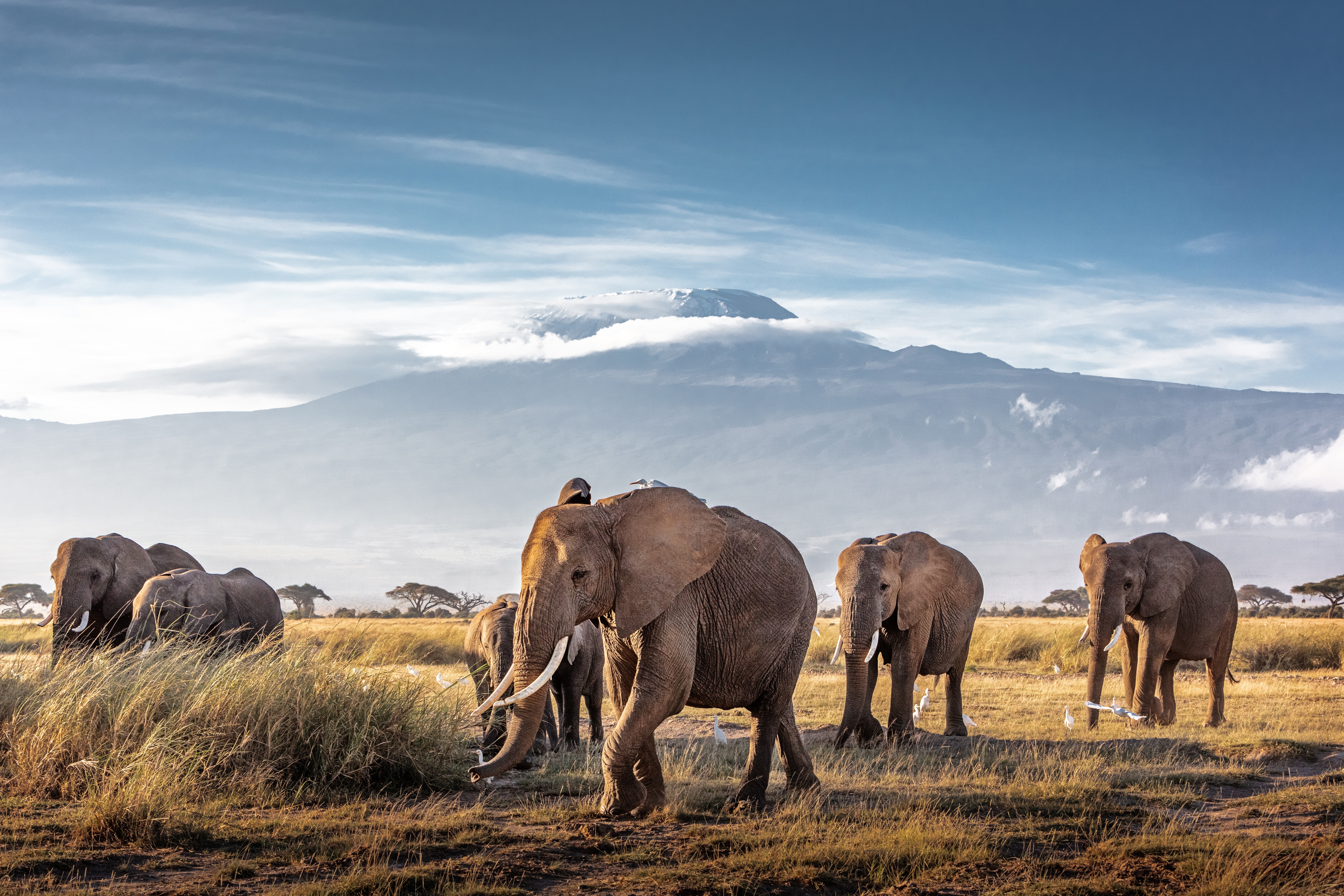
Known as the “Whiskey Route”, Machame offers breathtaking scenery through rainforest, heath, moorland, alpine desert and arctic summit zone.
Marangu Route Kilimanjaro
Easy

Marangu Route

Hut Accommodation
Beginner Friendly
Coca-Cola Route
From $1,900 / person  •  5 Days

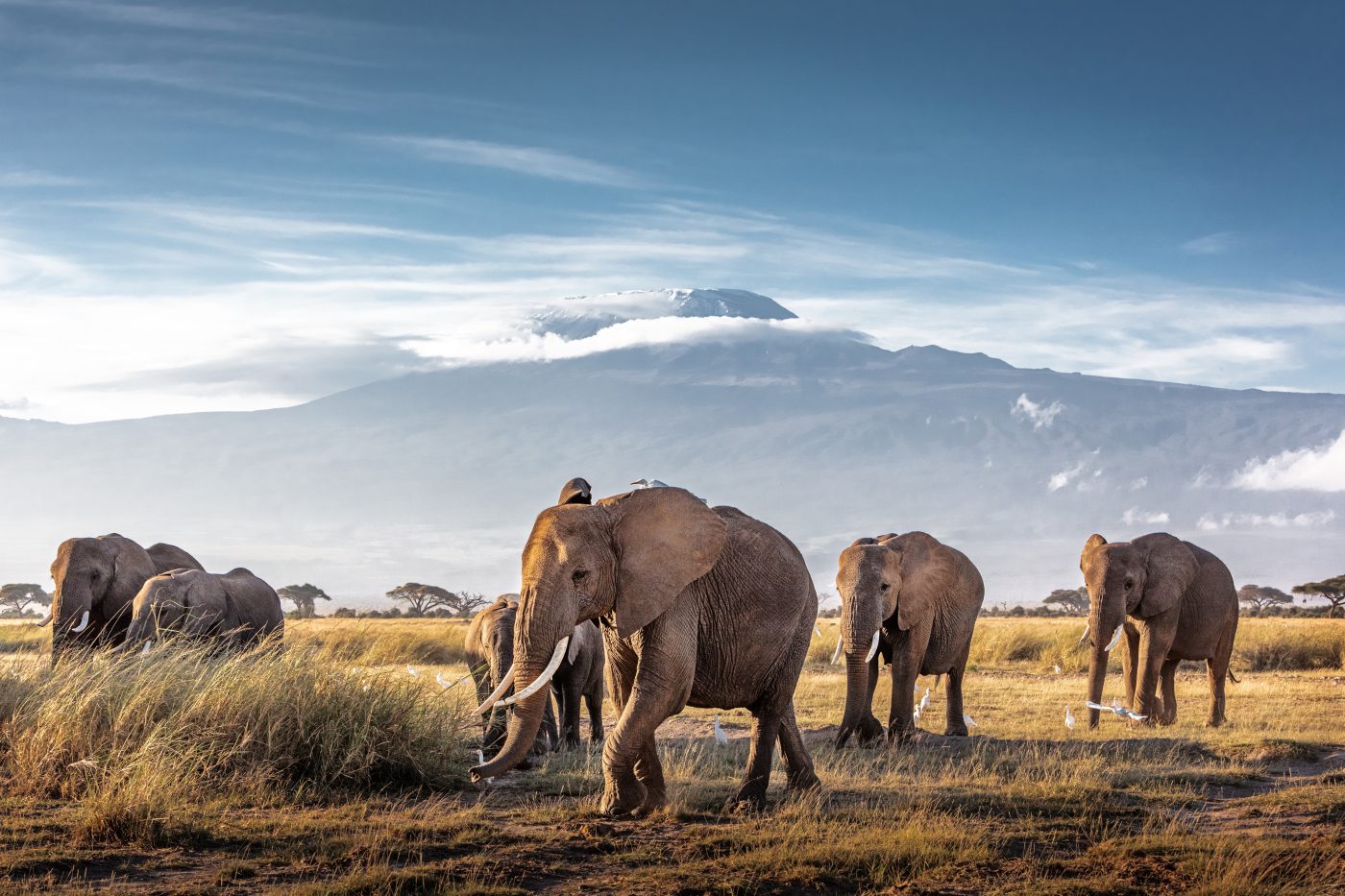
The only route with dormitory huts, Marangu is the most accessible path to the summit — ideal for first-time trekkers with comfortable overnight stays.
Lemosho Route Kilimanjaro
Moderate

Lemosho Route

Most Beautiful Views
Pristine Wilderness
Highest Success Rate
From $2,600 / person  •  7 Days

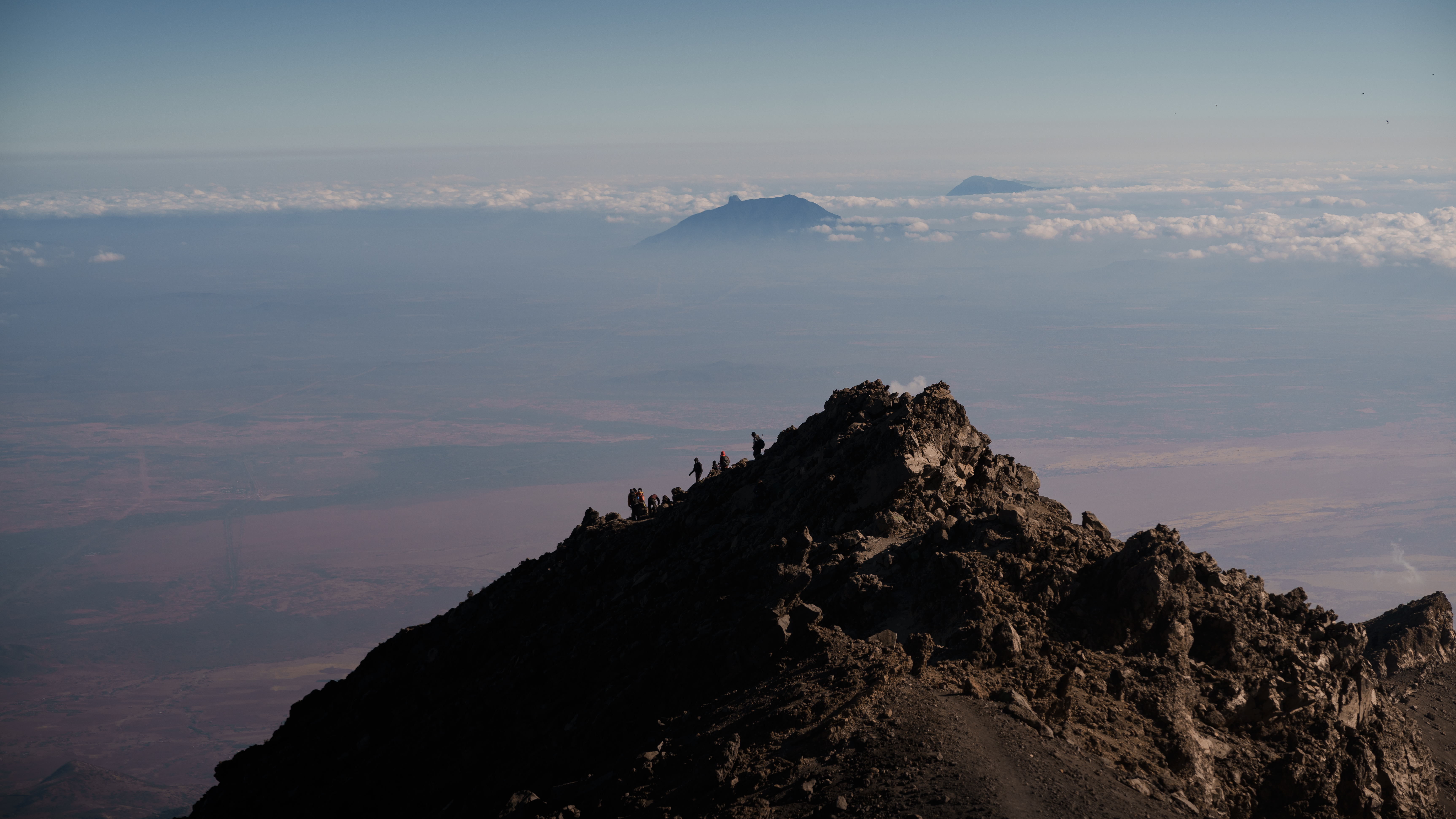
The most spectacular route on Kilimanjaro. Starting from the remote western slopes, Lemosho offers incredible panoramas and optimal acclimatisation.
Rongai Route Kilimanjaro
Moderate

Rongai Route

Less Crowded
Northern Wilderness
Kenya Border Start
From $2,300 / person  •  6 Days

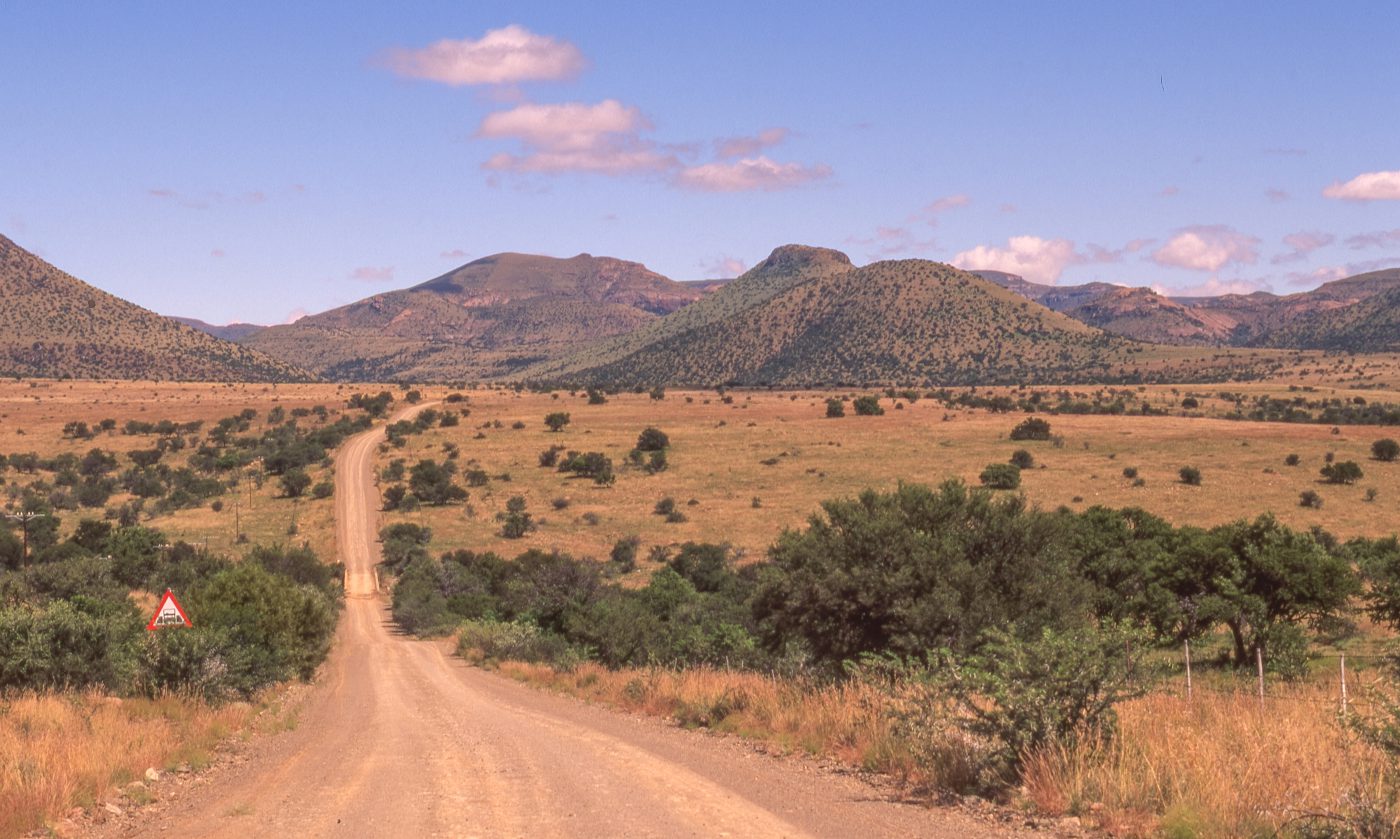
The only route approaching from the north, Rongai is quieter, drier and rewards trekkers with unique perspectives of Kilimanjaro seldom seen by others.

⛰ Altitude Zones of Kilimanjaro

Cultivated Zone
800–1,800m
Rain Forest
1,800–2,800m
Heath & Moorland
2,800–4,000m
Alpine Desert
4,000–5,000m
Arctic Summit
5,000–5,895m
5,895m
Uhuru Peak
Your

Preparation Guide

Everything you need to know before your Kilimanjaro adventure.

🛃
Visa Guide

Most nationalities receive a Tanzania visa on arrival. We assist with all documentation and entry requirements for a hassle-free arrival.

💪
Fitness Preparation

Begin training 3–6 months before your climb. Focus on cardiovascular endurance — hiking, stair climbing and running build the right foundation.

💉
Health & Vaccines

Consult your doctor 6–8 weeks prior. Yellow fever vaccination recommended. Altitude sickness medication (Diamox) may be prescribed.

🎒
Packing Tips

Layer system is key. Pack moisture-wicking base layers, insulated mid-layers and a waterproof shell. Keep your summit pack under 10kg.

🏠
Accommodation

We arrange premium lodges pre and post-climb in Moshi or Arusha. On the mountain, high-quality tents and sleeping equipment are provided.

When To Go

Best Time to Climb

Jan
Feb
Mar
Apr
May
Jun
Jul
Aug
Sep
Oct
Nov
Dec
Best Season — Dry, Clear Skies
Moderate — Possible Showers
Rain Season — Not Recommended

The mountain is accessible year-round, but your physical condition, more than the weather, will determine your best chance of reaching Africa’s highest peak.

During the dry season (June to October and January to February), climbing conditions are excellent and the skies are generally clear. This is the ideal time to admire breathtaking scenery.

From November to December and from March to May, the trails are wet and slippery, and visibility is slightly reduced.

⭐ Best Months to Climb
January–February & July–September
Clear skies, minimal rainfall and ideal summit conditions — plan your adventure during these windows.
Plan My Climb
Pack Smart

Equipment Checklist

We provide a detailed packing list when you book. Here are the essentials every climber must bring.

Waterproof Hiking Boots
Well broken-in, ankle support
4-Season Sleeping Bag
Rated to -10°C minimum
Thermal Base Layers
Moisture-wicking, quick-dry
Trekking Poles
Adjustable, lightweight
Waterproof Gloves
Summit night essential
Daypack 20–30L
Waterproof, hip support
Insulated Water Bottle
Min. 2L capacity
Headlamp + Batteries
Critical for summit night

Need the complete packing list? Contact us and we’ll send you our full equipment guide instantly.

Got Questions?

Frequently Asked Questions

Everything you need to know about climbing Kilimanjaro with Routes Kilimanjaro Adventures.
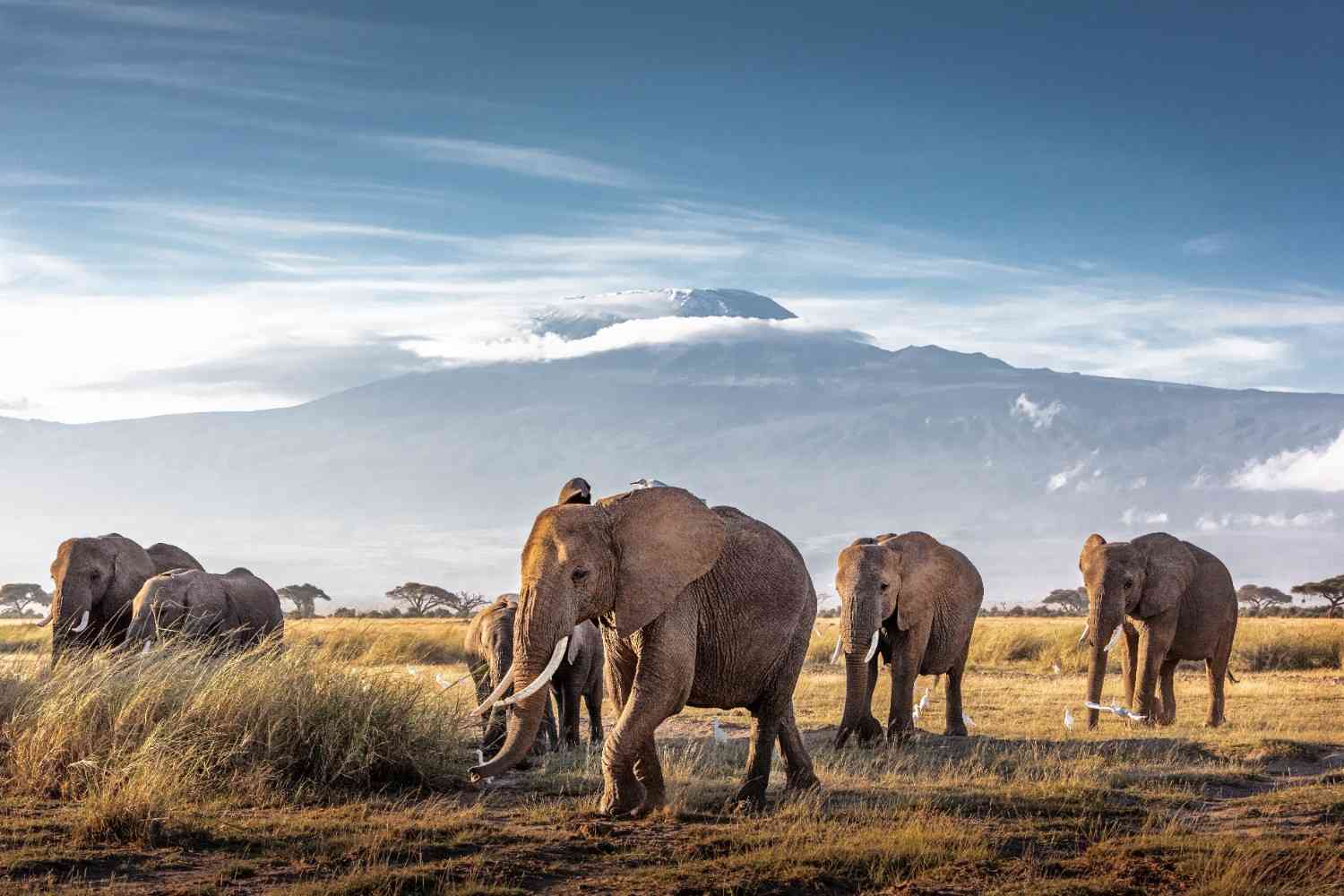
Mount Kilimanjaro Summit
5,895m
Uhuru Peak
📞 Still Have Questions?

Our Kilimanjaro experts are ready to help you plan the perfect climb.

Talk to an Expert
The Marangu Route is the most popular choice for beginners due to its hut accommodation and gradual gradient. However, the Machame Route has a higher success rate because it allows more acclimatisation time. For first-timers seeking the best summit chance, we recommend the Lemosho Route (7–8 days) which combines comfort, scenery and optimal altitude gain.
Kilimanjaro is technically a non-technical walk — no ropes, harnesses or special climbing skills are needed. The main challenge is altitude and its effects (headache, fatigue, nausea). With proper preparation, a strong mental attitude and a slow, steady pace (“pole pole” in Swahili), most healthy adults can reach the summit successfully.
Routes range from 5 to 8 days on the mountain. We strongly recommend choosing a 7–8 day route as the extra days allow your body to acclimatise properly, significantly improving your summit success rate. Budget 1–2 additional days before and after the climb for travel, briefings and rest in Moshi or Arusha.
While no technical mountaineering experience is required, physical fitness makes a significant difference. We recommend 3–6 months of preparation: regular hiking (especially uphill), cardiovascular exercise, and some multi-day trekking experience. Stair climbing with a loaded backpack is an excellent training method. Our team provides a personalised training programme when you book.
We provide all group camping equipment including tents, dining tent, cooking equipment, first aid kit and supplemental oxygen for emergencies. Our porters carry the group gear. You bring your personal gear (clothing, sleeping bag, trekking poles). We provide a comprehensive packing list and can assist with gear hire in Moshi for items you don’t own.
Book Your Climb

Request a Free Quote

Fill in your details and our Kilimanjaro specialists will craft a personalised itinerary and quote within 24 hours.

Licensed & Certified Guides — All our guides hold KINAPA certification and Wilderness First Aid training.
90% Summit Success Rate — Achieved through optimal route selection and experienced guides.
Small Group Sizes — Maximum 12 climbers per group for a personal, safe experience.
Responsible Tourism — Fair wages for our crew. We protect the mountain we love.

Tell us about your adventure

🔒 Your information is safe with us. We never share your details.

Ready to Reach the Summit?

Contact our expert team today

Get a Free Quote